Language
 English
English
English
When people think of high-protein foods, they usually picture meat, eggs or dairy products first. However, caviar is often overlooked despite being one of the most protein-rich natural foods available. Sturgeon caviar contains around 27–29 g of protein per 100 g, which places it among the most nutrient-dense seafood options.
To better understand how caviar compares nutritionally, it helps to look at its protein content alongside other familiar foods.
Food | Protein per 100 g |
Chicken breast | approx. 31 g |
Tuna | approx. 29 g |
Caviar | approx. 27–29 g |
Salmon | approx. 20–22 g |
Almonds | approx. 21 g |
Eggs | approx. 13 g |
Low-fat quark | approx. 12 g |
Lentils | approx. 9 g |
On average, caviar provides around 27–29 g of protein per 100 g, making it one of the richest animal-based protein sources.
The protein found in caviar has a high biological value, as it contains all essential amino acids required by the human body. These amino acids play a key role in:
In addition to protein, caviar is also a valuable source of important micronutrients such as:
Thanks to this combination, caviar is not only protein-rich but also nutritionally well balanced.
Salmon caviar (red caviar) is also particularly high in protein. On average, it contains around 30 g of protein per 100 g, slightly more than many types of sturgeon caviar.
The exact amount varies depending on the fish species and roe composition. In addition to protein, red caviar provides omega-3 fatty acids, vitamin B12 and trace elements that support a balanced diet.
Not all varieties of caviar contain the same amount of protein. Differences mainly depend on the fish species and processing methods.
Type of caviar | Protein per 100 g |
Beluga caviar | approx. 27 g |
Ossetra caviar | approx. 28 g |
Kaluga caviar | approx. 27–29 g |
Siberian sturgeon caviar | approx. 28 g |
Salmon caviar | approx. 30 g |
Trout caviar | approx. 29 g |
Salmon caviar often contains slightly more protein than traditional sturgeon varieties. Black caviar, however, is particularly valued for its omega-3 fatty acids and vitamin B12 content.
Both red and black caviar therefore rank among the most nutrient-dense seafood delicacies available as natural protein sources.
Thanks to its complete amino acid profile, caviar is considered a premium animal-based protein source.
Unlike heavily processed protein products, caviar delivers protein in a natural form while also supplying essential micronutrients.
Key advantages of caviar as a protein source include:
These characteristics make caviar a distinctive alternative to more common high-protein foods.
Both black and red caviar can therefore be a valuable addition to a nutritionally balanced diet.
How much protein does caviar contain per 100 g?
On average, caviar contains around 27–29 g of protein per 100 g.
Is black caviar high in protein?
Yes, black caviar is one of the most protein-rich seafood delicacies and also provides beneficial omega-3 fatty acids.
Does salmon caviar contain more protein than sturgeon caviar?
In many cases, salmon caviar contains slightly more protein, while sturgeon caviar stands out for its balanced nutrient profile.
Is caviar a natural protein source?
Yes. Caviar provides naturally occurring protein without industrial processing and is considered a high-quality animal protein source.
Is caviar suitable for a high-protein diet?
Because of its high protein content, caviar can be a useful addition to a balanced, protein-rich diet.
Last update: 21.04.2026
Our bestsellers
More Recipes & Tips
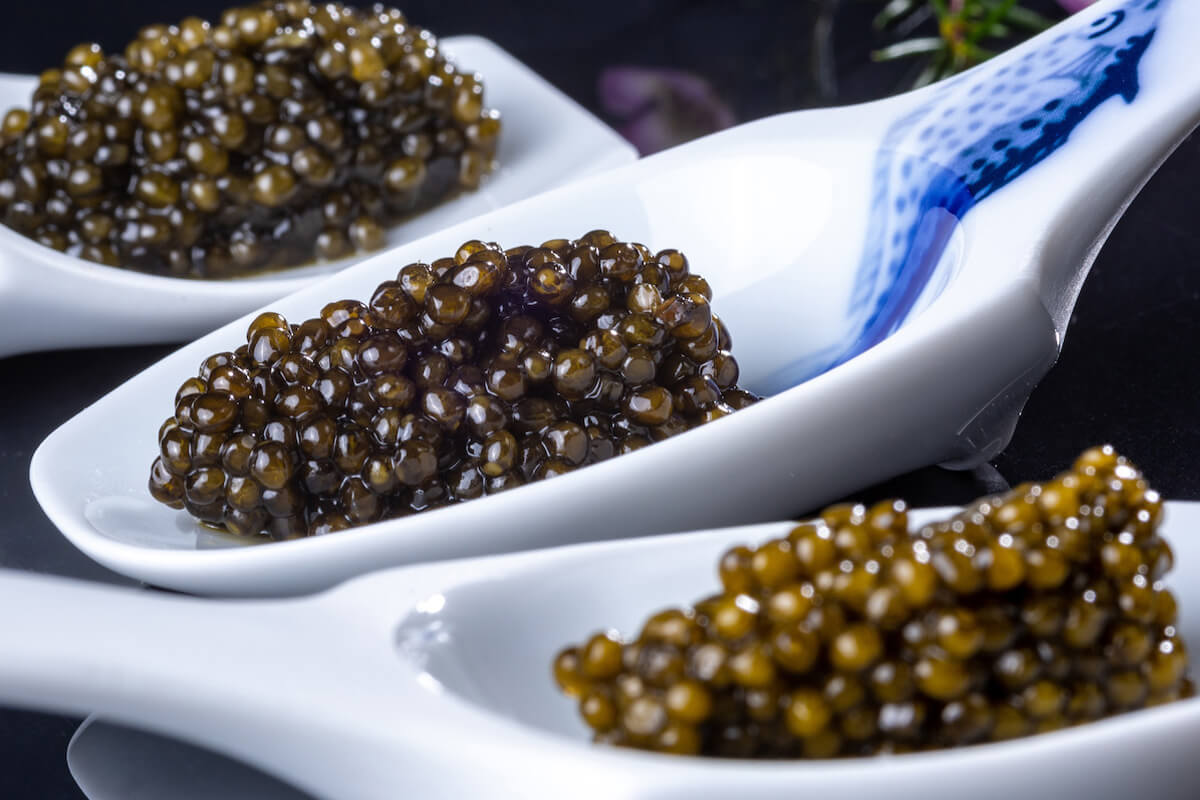
Indulge in the exquisite flavors of Ossetra caviar. With its medium-sized eggs, this delicacy offers a buttery taste and a subtle hint of nuttiness. Elevate your dining experience with this luxurious treat, perfect for special occasions.
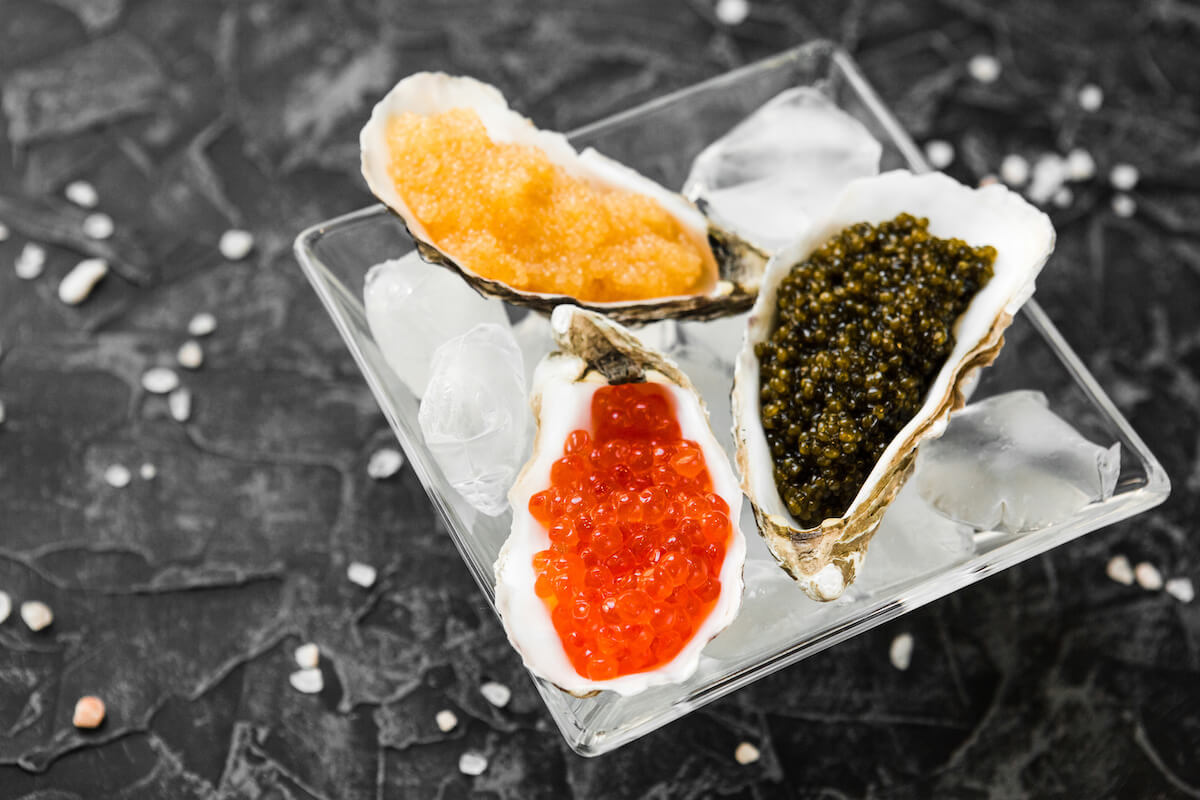
While the original Persian word khavyar simply means "egg," not every egg can be described as caviar. Some producers tend to apply this prestigious label to any type of roe from capelin to salmon and everything in between.
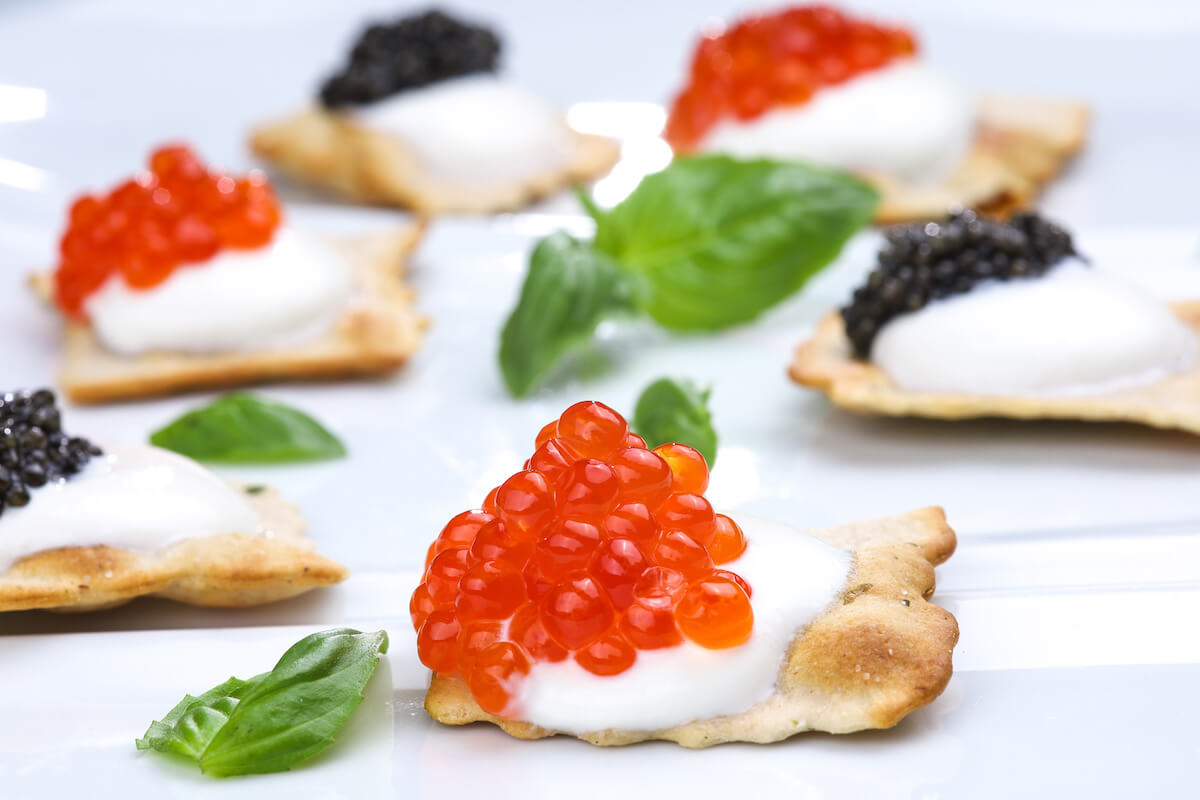
Whether you want to enjoy the luxurious black caviar or prefer to opt for a less costly red variety, it is important to know how to serve caviar. Read on to learn what garnishes and drinks to offer to your party.
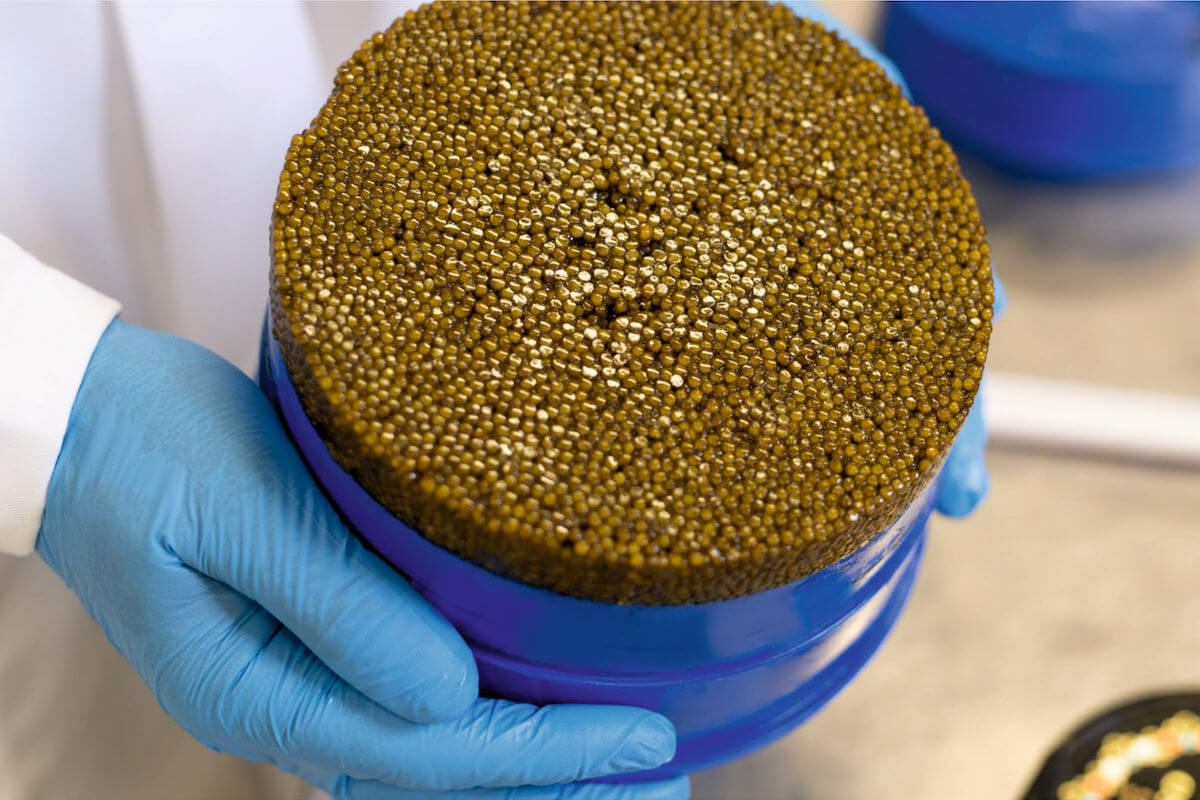
There are many different technologies for extracting caviar, depending on a variety of factors. And since a thorough discussion of this topic falls outside the scope of our article, we will only describe the most common method...
Indulge in the exquisite flavors of Ossetra caviar. With its medium-sized eggs, this delicacy offers a buttery taste and a subtle hint of nuttiness. Elevate your dining experience with this luxurious treat, perfect for special occasions.
While the original Persian word khavyar simply means "egg," not every egg can be described as caviar. Some producers tend to apply this prestigious label to any type of roe from capelin to salmon and everything in between.
Whether you want to enjoy the luxurious black caviar or prefer to opt for a less costly red variety, it is important to know how to serve caviar. Read on to learn what garnishes and drinks to offer to your party.
There are many different technologies for extracting caviar, depending on a variety of factors. And since a thorough discussion of this topic falls outside the scope of our article, we will only describe the most common method...
 Русский